Technology’s Role on Nebraska Farms
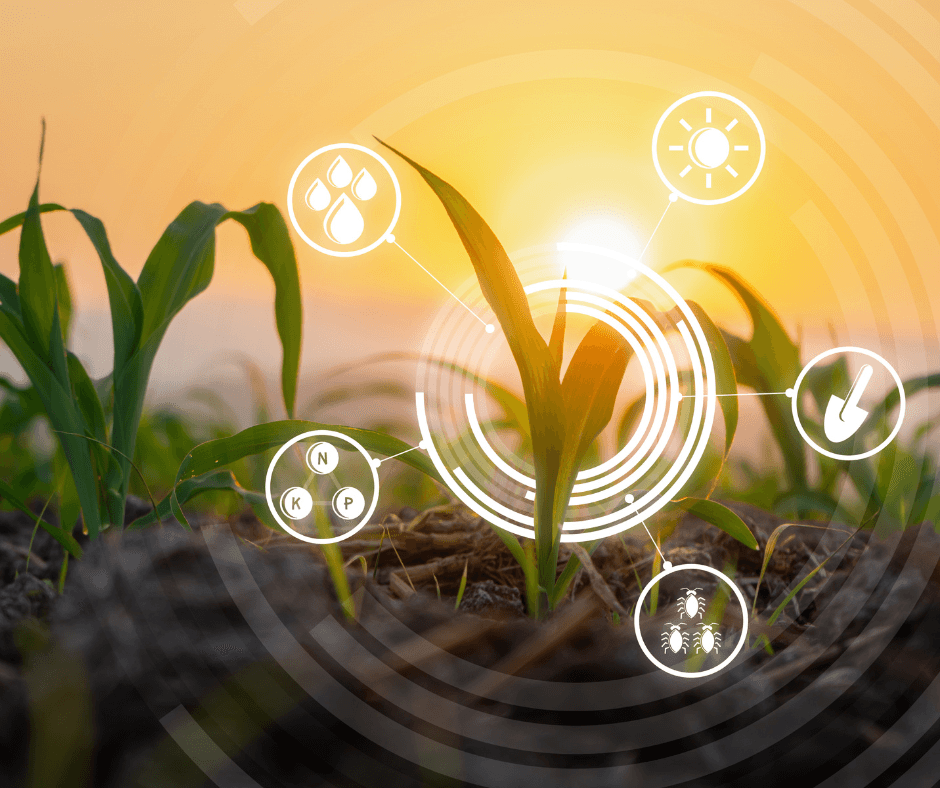
Technology is reshaping how Nebraska farms operate, driving efficiency, sustainability, and better decision‑making across both crop and livestock operations. Precision agriculture tools such as GPS‑guided equipment, yield monitors and maps, soil grid sampling, and variable‑rate application systems let producers tailor inputs like seed, fertilizer, and water to specific field conditions rather than treating an entire field uniformly — which can save money, optimize yields, and reduce environmental impact. Nebraska farmers also use drones, sensors, and remote monitoring tools to track crop health and soil moisture in real time, giving insights that weren’t possible even a decade ago.
Despite recent surveys showing a modest decline in some precision ag adoption rates, digital tools and connectivity remain widespread: smartphones and internet access are near ubiquitous on Nebraska farms, and cloud‑based platforms and data systems support everything from irrigation management to equipment telematics. As these technologies generate more data, clear agreements between landowners and tenants about data sharing, technology investments, and responsibilities for equipment and software can help ensure both parties benefit — especially when calculating inputs, adjusting leases, or evaluating performance. By embracing technology thoughtfully, Nebraska farms can improve productivity, enhance sustainability, and position themselves for long‑term success in an increasingly data‑driven agricultural economy.