Nebraska Soils and Crop Selection
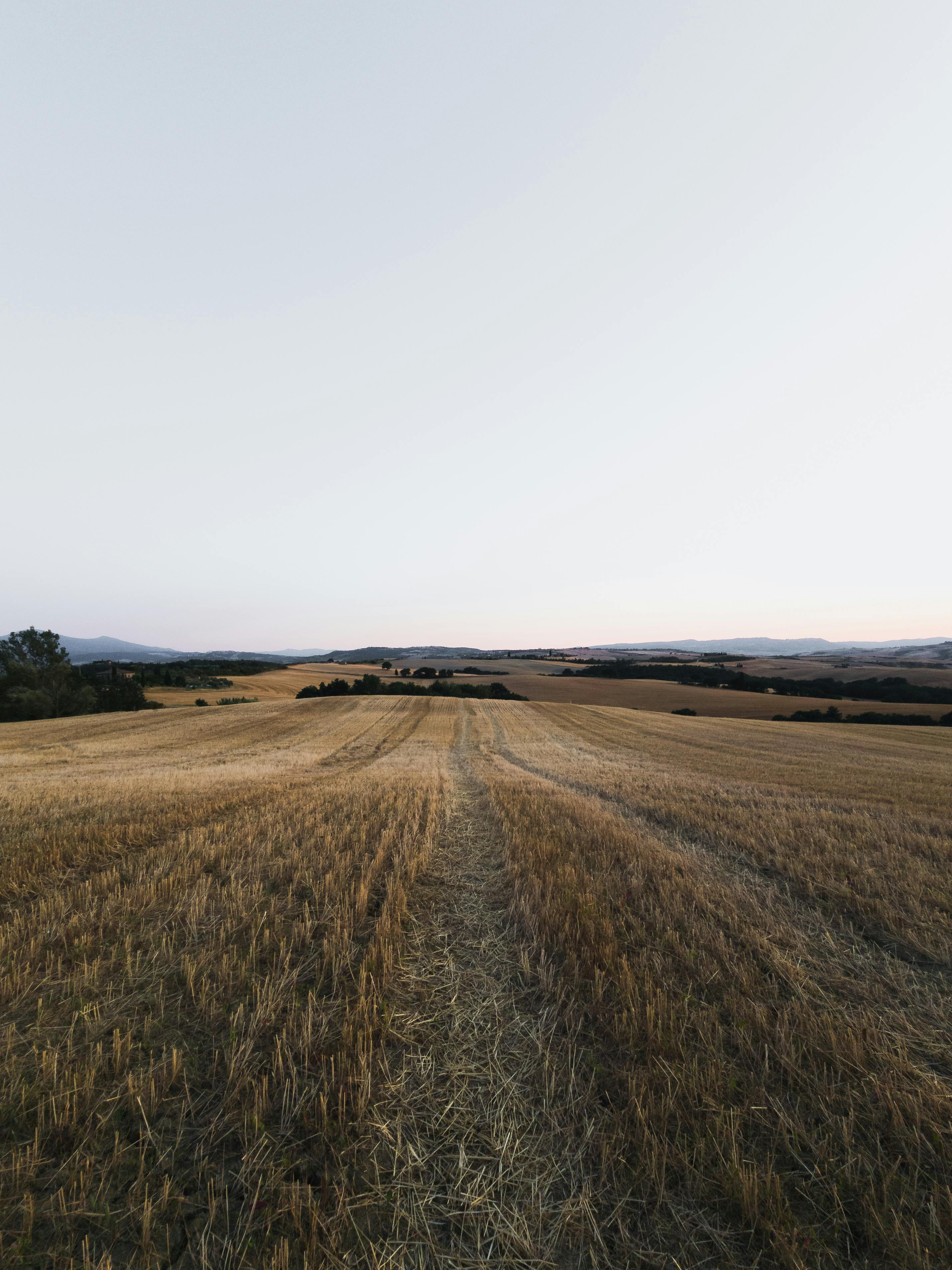
Nebraska is one of the nation’s agricultural leaders, and much of that success begins beneath the surface. The state’s diverse soils play a major role in determining which crops perform best, how productive farmland can be, and what management practices are needed for long-term success. For landowners, tenants, and agricultural investors, understanding soil characteristics is essential when evaluating farmland and making crop production decisions.
Nebraska’s soils vary significantly from east to west, shaped by thousands of years of wind deposition, glacial activity, erosion, and climate patterns. This diversity creates distinct agricultural regions, each with unique strengths and limitations. Matching crop selection to these soil conditions is one of the most important factors in maximizing both productivity and profitability.
Much of Nebraska’s most productive farmland is found in the eastern and central portions of the state, where loam and silty soils dominate. These soils are often considered ideal for row crop production because they offer a balanced mix of sand, silt, and clay. This balance provides strong water-holding capacity while still allowing for good drainage and root development.
One of the best-known examples is the Holdrege silt loam, which was designated Nebraska’s official state soil due to its agricultural importance. Found across large portions of south-central Nebraska, Holdrege silt loam is deep, fertile, and naturally well-drained. It supports excellent yields of corn, soybeans, alfalfa, and other crops when managed with appropriate nutrient applications and moisture control. With irrigation or consistent rainfall, these soils can be among the highest-producing in the state.
Corn and soybeans dominate much of this region because these crops thrive in soils with moderate to high organic matter and consistent moisture retention. Wheat and forage crops also perform well, particularly in areas with slightly lower rainfall or where crop rotation is used to improve soil health.
As you move westward, Nebraska’s soils become increasingly sandy and less forgiving. The Nebraska Sandhills, one of the largest stabilized dune systems in the world, are characterized by sandy and loamy sand soils with low water-holding capacity and lower organic matter content. These soils drain quickly, making them vulnerable to drought stress and less suitable for intensive row crop production without irrigation.
Instead, the Sandhills are ideally suited for native grass production and cattle grazing. Deep-rooted prairie grasses are adapted to these conditions and provide highly productive forage systems. This is why the region has long been central to Nebraska’s cattle industry. In areas where irrigation is available, some row crop production is possible, but careful water management is essential to avoid excessive nutrient leaching through the sandy profile.
In southeastern Nebraska, another set of challenges emerges. Heavy clay soils found in portions of this region have excellent nutrient retention and water-holding capacity, but they can create management difficulties. Poor drainage, compaction, and restricted root penetration can limit crop performance if not addressed properly.
These soils often require practices such as tile drainage, reduced tillage, and carefully timed field operations to avoid working wet ground. When managed well, they can support strong corn and soybean yields. However, they demand more attention than the naturally well-balanced silt loams found farther west.
Beyond texture, several additional soil properties influence crop selection. Organic matter content is particularly important because it affects nutrient availability, soil structure, and moisture retention. Higher organic matter generally translates to greater productivity and resilience.
Soil pH is another critical factor. Most Nebraska row crops perform best in slightly acidic to neutral soils. If pH levels fall outside the optimal range, nutrient uptake can be reduced even when fertilizer is present. Soil testing helps identify these issues and guides corrective actions such as lime applications.
To better understand these characteristics, producers and landowners rely heavily on resources from the USDA Natural Resources Conservation Service. The NRCS Web Soil Survey is one of the most valuable tools available, offering detailed maps and interpretations for nearly every parcel of land in Nebraska. These reports provide insights into soil texture, drainage class, erosion risk, crop suitability, and management limitations.
This information is particularly valuable during lease negotiations, land purchases, and long-term planning. Knowing a property’s soil capabilities allows landowners to set realistic expectations and helps tenants choose crop rotations and conservation practices that preserve productivity.
Ultimately, successful farming in Nebraska depends on working with the land rather than against it. By understanding soil characteristics and matching crop selection accordingly, landowners and producers can maximize yields, improve efficiency, and protect long-term soil health for future generations.