Estate Planning for Nebraska Farmland Owners
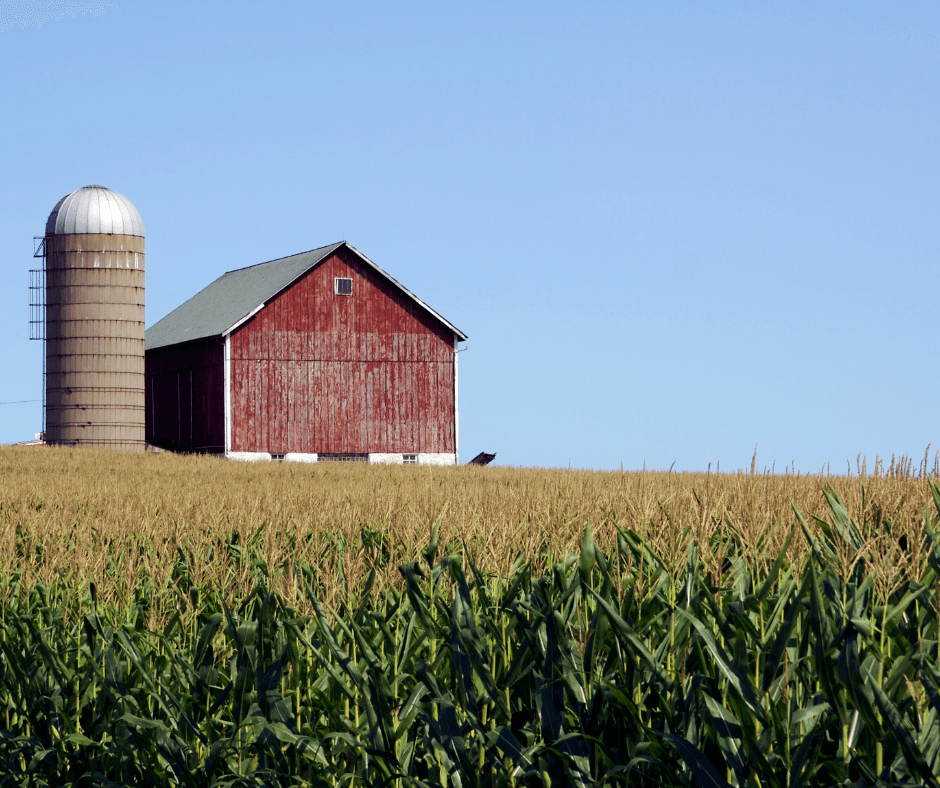
Farmland often represents a multi‑generation legacy — both financially and emotionally — which makes proactive estate planning essential for Nebraska landowners who want to preserve their acreage and ensure smooth transitions to the next generation. Without a thoughtful plan, assets can be tied up in probate, creating delays, increased costs, and potential conflict among heirs. Tools such as wills, trusts (including revocable living trusts), family LLCs or farm trusts, and gifting strategies help define who inherits the land, how it’s divided, and how taxes are minimized, preserving both value and family harmony. Working with attorneys and tax professionals experienced in agricultural estate planning ensures your wishes are clearly documented and legally enforceable.
For Nebraska specifically, estate planning also involves understanding tax implications. While the state does not impose a traditional estate tax, it does have an inheritance tax based on the heir’s relationship to the decedent, and farmland values can be high enough that even small percentage taxes create cash flow challenges for heirs who inherit property. Another key consideration is the stepped‑up basis rule, which can significantly reduce capital gains taxes when land is passed at death by resetting the property’s tax basis to its fair market value at that time, helping heirs avoid large taxable gains if they choose to sell.
Because every family’s situation and goals are different — including who will farm the land, how income and responsibility will be shared, and how to equitably treat non‑farming heirs — engaging a comprehensive estate planning team early on is critical. These professionals can help you tailor strategies that protect your legacy, minimize tax burdens, and provide clarity and peace of mind for future generations.